2evolv.co.uk
Digital and related to the web
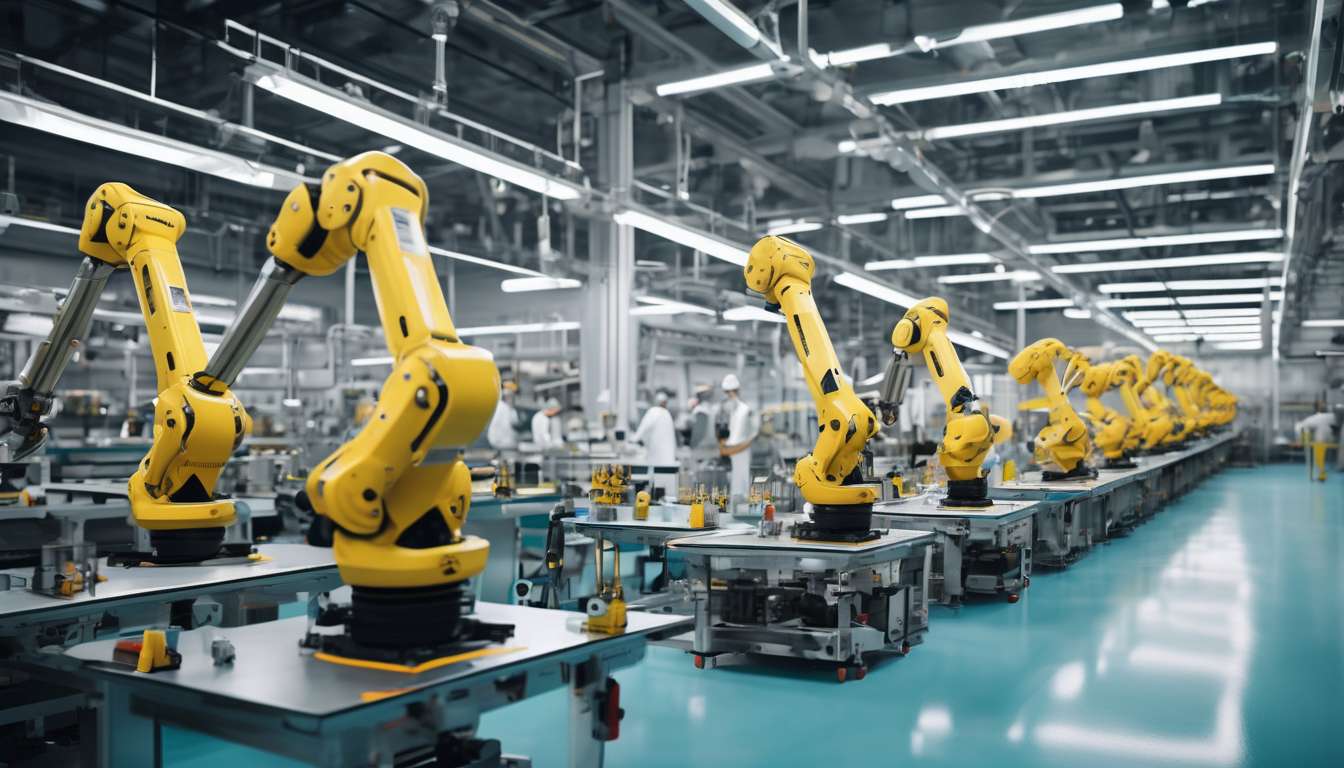
Demand for industrial tools and assembly solutions is often underestimated in its critical role in driving efficiency and innovation across manufacturing sectors.
As industries continue to evolve, so too must the tools that support their growth and sustainability. The growing complexity of modern production lines underlines the pressing requirement for advanced tools and integrated assembly solutions that can adapt to dynamic needs.
Companies striving for competitive advantage must invest in technologies that not only:
Industrial solutions provide the backbone of this transformation, enabling businesses to:
This necessity extends beyond mere productivity; it shapes the future of manufacturing by fostering greater accuracy, reliability, and efficiency.
Embracing state-of-the-art tools and solutions is not a mere option but an imperative for those aiming to lead in a rapidly changing industrial landscape.
For more insights and detailed solutions tailored to your industry needs, click here to continue online.
Advanced industrial tools significantly enhance productivity and precision in manufacturing processes. These tools form the backbone of modern manufacturing environments, where the demand for efficiency and quality is paramount. By employing state-of-the-art industrial tools, manufacturers can achieve remarkable improvements in manufacturing efficiency. This fosters a sense of community and camaraderie among industry professionals who value streamlined operations and successful outcomes.
The integration of advanced industrial tools with assembly solutions provides an indispensable framework for optimizing production lines. These tools are designed to:
By ensuring that manufacturing processes operate at peak efficiency, industrial tools contribute to a more cohesive and effective manufacturing environment. This alignment with assembly solutions enhances the overall productivity of manufacturing systems, reinforcing the industry’s commitment to excellence and innovation.
Consequently, the utilization of advanced industrial tools is crucial in meeting the ever-evolving demands of the manufacturing sector. This approach fosters a sense of belonging within the industrial community, as professionals work together towards common goals of efficiency and quality.
Integrating cutting-edge assembly solutions into production lines boosts operational efficiency and enhances product quality.
Assembly solutions streamline the manufacturing process by ensuring precise alignment and secure fastening of components, which is essential for maintaining high standards. These solutions, when combined with advanced industrial tools, contribute to:
This, in turn, fosters a sense of reliability and trust among stakeholders.
Assembly solutions promote consistency across production batches, which is crucial in meeting industry standards and customer expectations. By incorporating automated systems and specialized industrial tools, assembly processes become more adaptable to:
This adaptability ensures a seamless integration into existing workflows and allows for scalable operations.
Furthermore, the implementation of assembly solutions facilitates resource optimization, leading to:
The enhanced accuracy and efficiency provided by these solutions empower manufacturers to deliver superior products, reinforcing their reputation in the market.
Hence, assembly solutions play a vital role in achieving manufacturing efficiency and sustaining competitive advantage.

Significant improvements in manufacturing processes arise from the strategic integration of innovative assembly technologies.
Adoption of Advanced Technologies:
Benefits of Leveraging Technologies:
Collaborative Environment:
Organizational Advantages:
Competitive Edge:
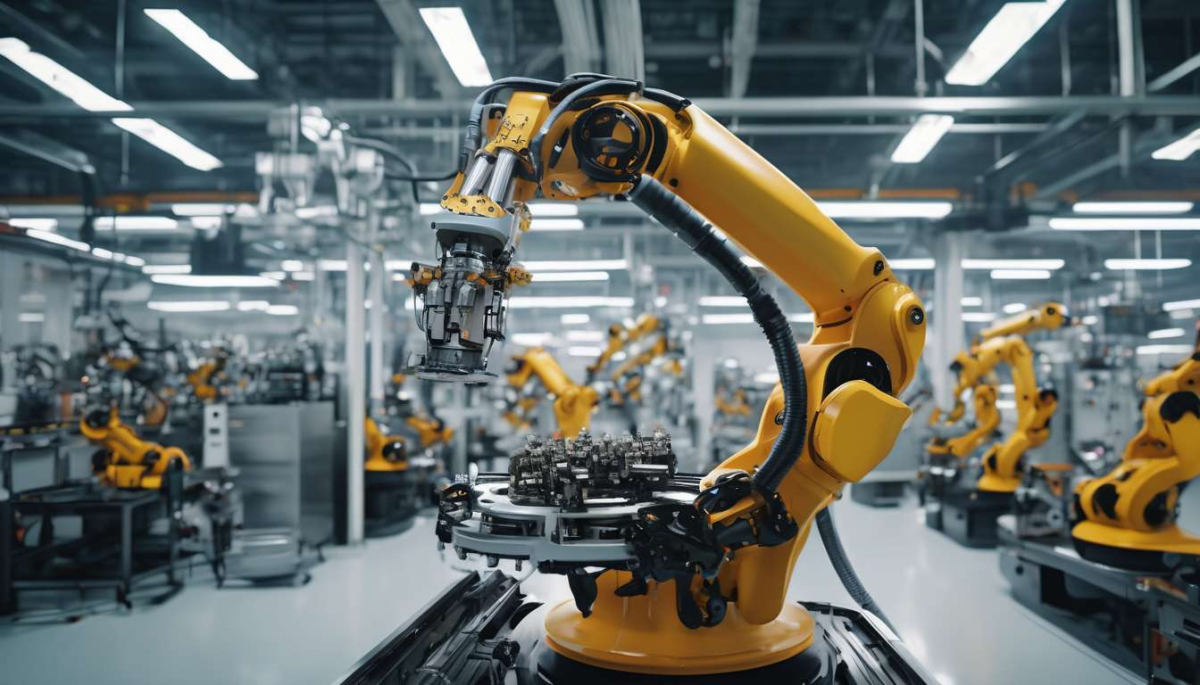
Technological advancements play a pivotal role in revolutionizing production processes by enhancing precision, speed, and flexibility. These improvements are critical in ensuring that industrial tools and assembly solutions meet the high demands of modern manufacturing environments.
Key Contributions of Advanced Technologies:
Evolution of Assembly Solutions:
Assembly solutions have evolved to incorporate cutting-edge technologies, ensuring that products are assembled with unparalleled accuracy and consistency. This technological integration facilitates the seamless coordination of complex tasks, reducing human error and increasing overall productivity.
Furthermore, the adaptability of these technologies enables manufacturers to:
In this way, technology fosters an inclusive environment where industries can thrive by embracing innovation, ultimately contributing to a more efficient and competitive manufacturing landscape.
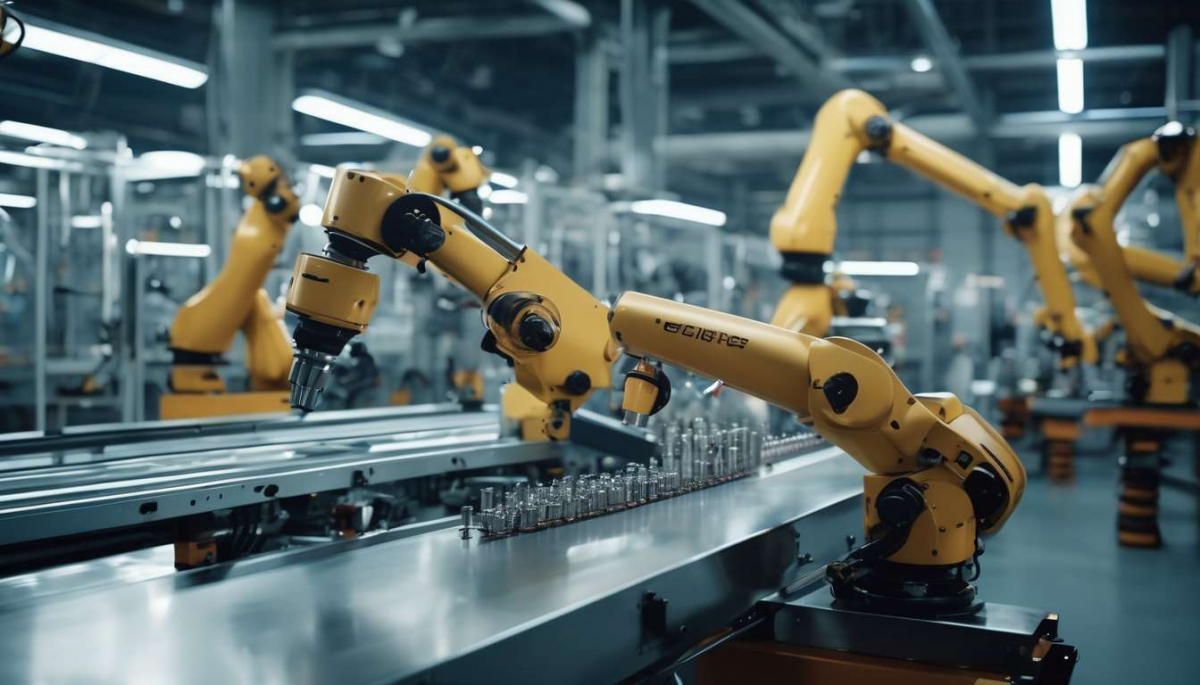
A myriad of innovative strategies is propelling industries forward, driving transformative changes that enhance competitiveness and sustainability.
The adoption of advanced industrial tools and assembly solutions plays a pivotal role in this evolution. These components enable manufacturers to optimize operations, reducing production time while maintaining high-quality standards.
The integration of cutting-edge technology into industrial processes has resulted in increased manufacturing efficiency, allowing industries to meet the demands of a rapidly changing market.
Industrial tools are designed to streamline complex procedures, offering precision and reliability.
Assembly solutions provide flexible and scalable options that can adapt to varying production needs.
Together, they form the backbone of modern manufacturing systems, fostering an environment where innovation thrives.
Such advancements in industrial tools and assembly solutions are essential for industries seeking to maintain a competitive edge.
By embracing these innovations, industries not only enhance productivity but also contribute to a sustainable future that benefits all stakeholders.

Emerging technologies are set to redefine industrial solutions, driving unprecedented levels of innovation and efficiency. The integration of advanced industrial tools and intelligent assembly solutions is transforming manufacturing processes, ensuring higher precision and faster production cycles.
Collaborative robotics and automation technologies are at the forefront:
The future of industrial solutions will witness an increased adoption of data-driven approaches, powered by the Internet of Things (IoT) and Artificial Intelligence (AI):
These technologies reduce downtime and enhance productivity. Smart factories will leverage interconnected systems to streamline operations, ensuring that industries remain competitive in a rapidly evolving market.
Sustainable practices and energy-efficient machinery will also play a crucial role in shaping the future landscape. By reducing waste and resource consumption, these innovative industrial tools and assembly solutions will:
